
Puppy Feeding Schedule: How Often and How Much to Feed Your Pup

Bringing a new puppy home is exciting, but figuring out their feeding routine can feel a little overwhelming. How often should they eat? How much food do they need? And when can you start feeding them like an adult dog? Getting these details right is an important part of helping your puppy grow up strong and healthy.
Once you understand the basics, putting together a puppy feeding routine becomes much easier. In this guide, we’ll walk you through a puppy feeding schedule for every age, explain how to calculate portions, and help you choose the right food for your growing pup.
Why a Consistent Puppy Feeding Schedule Matters
Puppies have different nutritional needs from adult dogs. They’re growing rapidly, developing muscles and bones, and using plenty of energy as they explore their surroundings. Young puppies also have small stomachs, which means they generally need several smaller meals throughout the day rather than one or two large servings.
A consistent feeding schedule helps your puppy get the nutrition they need while establishing a predictable daily routine. It can also make life easier for both you and your new furry friend. When meals happen at roughly the same times each day, it’s easier to monitor your puppy’s appetite and notice changes that might need attention.
Regular mealtimes can even help with house training. Puppies often need a potty break after eating, so planning meals around bathroom trips gives you more opportunities to reinforce good habits.
Unlike free feeding, where food is left out throughout the day, scheduled meals also make it easier to track how much your puppy eats. That information becomes particularly useful as their appetite and nutritional requirements change during growth.
Puppy Feeding Schedule by Age
So, how often should you feed your puppy? The answer depends mainly on their age, although breed size and individual needs also play a role.
The following veterinary feeding guidelines provide a useful starting point for healthy puppies:
6-12 Weeks: Four Meals a Day
Between six and 12 weeks, puppies are developing quickly and need regular nourishment to support their growth. Four meals a day is a common recommendation at this stage, with feeding times spread throughout the morning, afternoon, and evening. Some puppies may still be completing the weaning process during the early part of this period.
When you first bring your puppy home, ask the breeder, shelter, or rescue what food they’ve been eating and how often. Maintaining a familiar routine can make the adjustment easier. If you’re feeding dry kibble, you can also soften it with water if your young puppy has difficulty chewing.
3-6 Months: Three Meals a Day
Around three months of age, many puppies are ready to move from four meals to three meals a day. Breakfast, lunch, and dinner usually work well, provided the meals are spaced reasonably evenly. However, very small puppies may still benefit from more frequent feeding, depending on their individual needs.
Remember that reducing the number of meals doesn’t automatically mean reducing the total amount of food. Instead, divide your puppy’s daily allowance into three portions and adjust the quantity as they grow. Keep an eye on their appetite, energy levels, and weight to make sure they’re getting enough food.
6-12 Months: Two Meals a Day
By six months, most puppies can transition to two meals a day, typically one in the morning and another in the evening. At this stage, they can generally handle larger portions at each feeding time. However, they’re still growing and need food formulated for this stage of life.
Although meal frequency decreases, your puppy’s nutritional needs will continue to change. As their growth rate slows, they may need fewer calories relative to their body weight than they did during the first few months. Regularly reassess their weight and body condition rather than assuming their portions should keep increasing.
12 Months and Beyond: Feeding Based on Breed Size and Growth
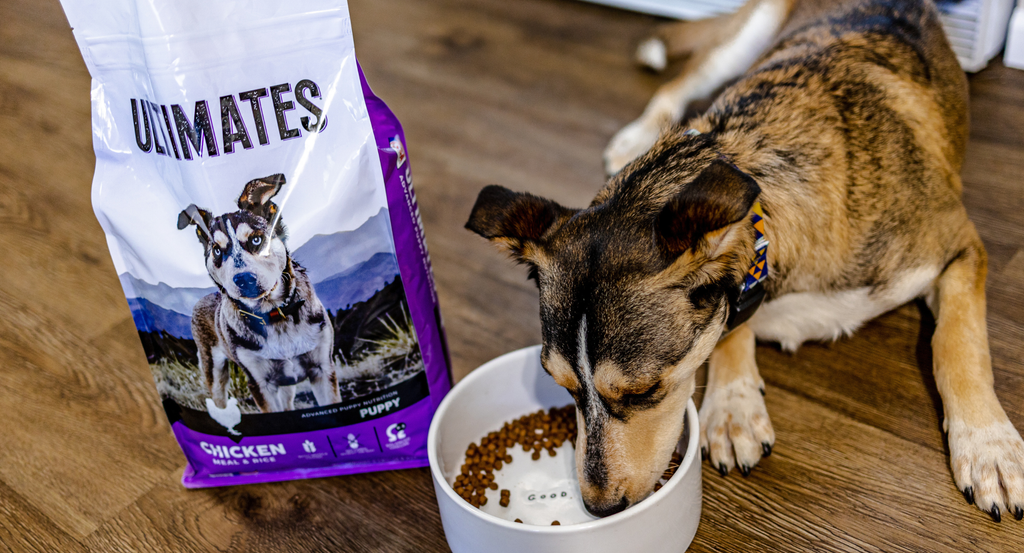
By their first birthday, many puppies have settled into a twice-daily feeding routine. But reaching 12 months doesn’t necessarily mean they’re ready for adult food. Small breeds often mature earlier than larger dogs, while some large and giant breeds continue developing well into their second year.
For most adult dogs, two scheduled meals a day remain a practical choice. Puppies that are still growing should continue eating an appropriate growth diet until they’re physically mature. Your vet can help determine when to make that change based on your dog’s breed, expected adult size, and development.
How Much Food Should You Feed Your Puppy?
Knowing how frequently to feed your puppy is only half the equation. You’ll also need to work out the right portion size to support healthy growth without encouraging excessive weight gain.
There’s no universal answer to how much food a puppy needs, but several factors can help you find an appropriate starting point.
Age, Breed Size, and Activity Level
A puppy’s age, breed, expected adult weight, and energy levels all influence their daily calorie requirements. Puppies generally need more calories relative to their body weight than adult dogs because they’re building new tissue and supporting rapid development. But those needs gradually change as they approach maturity.
Breed size matters, too. Small breed puppies have relatively high energy requirements for their size, while larger dogs need careful portion control to support steady skeletal development.
Activity level also affects how much food your puppy requires, so feeding amounts should be individualized rather than based on age alone.
Using Feeding Charts and Monitoring Body Condition
Start with the feeding chart on your puppy food packaging. These charts typically recommend a daily amount based on factors such as age and weight. Divide that total between scheduled meals, and measure portions carefully.
Our guide on how much food to feed offers more advice on calculating appropriate servings.
Feeding charts are only starting points, though. Your puppy’s body condition provides another useful measure of whether they’re eating the right amount. Ideally, you should be able to feel their ribs without pressing hard and see a defined waist from above. A body condition score of around 4 or 5 on a nine-point scale is generally considered healthy for dogs.
Choosing the Right Food for Your Growing Puppy
A well-planned feeding schedule works best when it’s paired with food that meets your puppy’s nutritional needs. Growing dogs require appropriate amounts of protein, fat, vitamins, and minerals to support everything from muscle development to bone growth.
Whether you prefer dry food, wet food, or a combination, the most important factor is choosing a complete and balanced diet suitable for your puppy’s life stage and expected adult size.
What to Look for in High-Quality Puppy Food
When comparing puppy foods, start by checking the nutritional adequacy statement on the packaging. Look for a formula labeled complete and balanced for growth or all life stages, with specific suitability for large-size growth if needed. This helps confirm that the food meets established nutritional standards.
Beyond nutritional adequacy, consider the manufacturer’s expertise, quality control practices, and ingredient sourcing. Puppy diets typically provide the energy and essential nutrients needed for development, including protein, fat, calcium, and phosphorus. DHA, an omega-3 fatty acid, also supports brain and eye development. These are important factors when choosing puppy food.
Ultimates Puppy and Large Breed Puppy Recipes
At Ultimates, we’ve developed recipes to meet the needs of puppies at different stages of growth. Our Puppy Chicken Meal & Rice Recipe features chicken meal, brown rice, and other carefully selected ingredients. It provides protein, fat, DHA, and essential nutrients to support growing puppies, excluding those expected to weigh 70 pounds or more as adults.
For bigger pups, our Large Breed Puppy Chicken Meal & Rice Recipe is formulated specifically for growth, including dogs expected to reach 70 pounds or more. It combines quality protein, whole grains, DHA, and omega fatty acids in a complete and balanced formula designed to support healthy development during this important stage.
When Should You Switch From Puppy Food to Adult Dog Food?
Eventually, your puppy will outgrow the need for a growth-specific diet. But making the switch too early can mean missing out on nutrients needed for development, while continuing to feed a calorie-dense puppy formula after maturity may contribute to unwanted weight gain.
The right time to introduce adult dog food depends more on your puppy’s physical development than their exact age.
How Breed Size Affects the Transition
Different breeds mature at different rates. Small breed puppies may be ready for adult food around nine to 12 months, while medium breeds often make the transition at approximately 12 to 14 months. Large and giant breeds can take considerably longer, sometimes needing growth-formulated food until 18 to 24 months.
Rather than relying on age alone, consider your puppy’s growth rate, body condition, and expected adult weight. Your vet can assess whether your dog is approaching physical maturity and recommend an appropriate time to change diets. This is particularly important for larger breeds, as their bones and joints develop over a longer period.
How to Introduce Adult Food Gradually
Once your puppy is ready for adult food, avoid switching everything in their bowl overnight. A gradual food transition over approximately seven to 10 days helps their digestive system adjust. Begin by replacing about a quarter of their puppy food with the new food, then gradually increase the proportion over the following days.
Pay attention to your dog’s appetite and stool consistency throughout the transition. If they develop loose stools or other digestive problems, you may need to slow the process. Persistent vomiting, diarrhea, or refusal to eat warrants veterinary advice, and some dogs need longer than others to adjust comfortably.
Tips for Making Puppy Mealtimes Easier
Feeding a puppy doesn’t need to become another source of stress. A few practical habits can make the process more manageable while helping your pup develop a positive relationship with food.
First, choose feeding times that fit your everyday routine and try to stick with them, including on weekends. Serve meals in a quiet spot where your puppy can eat without interruptions from other pets or household activity.
For healthy puppies that are eating well, you can generally remove any uneaten food after about 15 to 20 minutes. However, very young or small puppies may need a different approach, so follow your vet’s advice.
It’s also worth planning bathroom trips around meals. Young puppies frequently need to eliminate shortly after eating, so a regular potty training routine can help reduce accidents. Give your pup opportunities to go outside after meals, naps, and play sessions rather than waiting for them to signal.
Keep clean, fresh water available at all times, regardless of whether your puppy eats dry kibble or wet food. If you use treats during training, account for those extra calories when calculating their daily intake. You can also reserve a small amount of their regular kibble for training rewards.
Finally, remember that puppies don’t always eat exactly the same amount every day. Minor fluctuations can occur, but if your puppy skips meals, isn’t gaining weight as expected, or seems unusually tired, contact your vet right away. When something seems unusual, always speak with your veterinarian rather than making major feeding changes without guidance.
Key Takeaways
- Feed young puppies more frequently. Puppies between six and 12 weeks typically need four meals a day, decreasing to three meals between three and six months. Most can move to twice-daily feeding by around six months.
- Use portion guidelines as a starting point. Your puppy’s calorie needs depend on age, breed size, activity, and growth rate. Check the feeding chart on their food packaging and adjust portions according to their weight and body condition.
- Choose food formulated for growth. Puppy food should provide complete and balanced nutrition for your dog’s developmental stage. Large breed puppies need formulas specifically suitable for their expected adult size to support appropriate skeletal growth.
- Don’t rush the switch to adult food. Small breeds generally mature sooner than larger breeds, which may continue growing until nearly two years of age. Ask your vet when your puppy is ready and introduce the new food gradually.
- Make mealtimes part of your routine. Scheduled meals help you monitor food intake and can make house training more predictable. Provide fresh water, measure servings carefully, and adapt the schedule as your puppy develops.
What’s the Best Feeding Schedule for Your Growing Puppy?
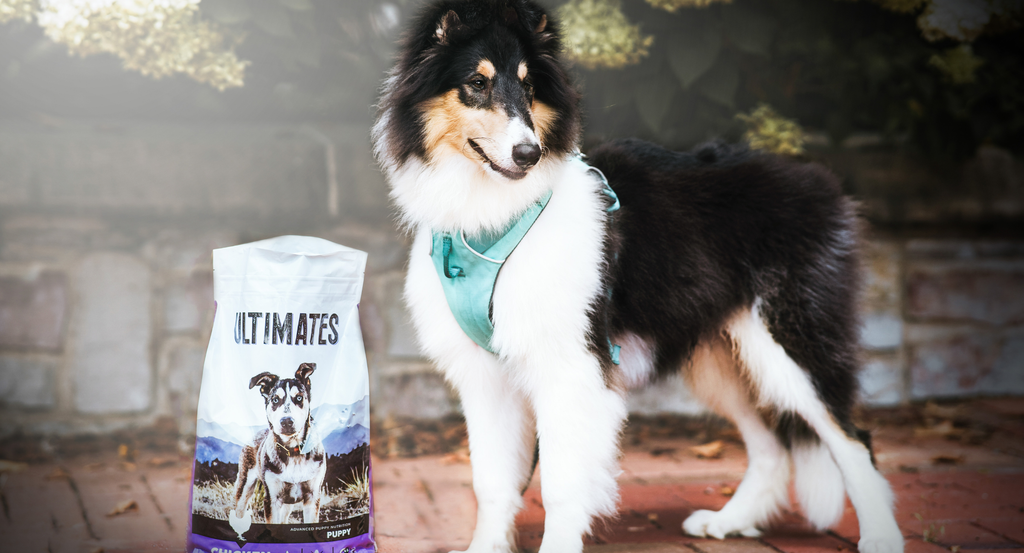
The best puppy feeding schedule is one that provides the right amount of nutrition at each stage of development. Young puppies usually need several small meals, while older pups can gradually move toward twice-daily feeding. Portion sizes and the timing of the switch to adult food will depend on breed size, growth, and individual needs.
Start with an age-appropriate schedule, choose a complete and balanced puppy food, and monitor your dog’s progress as they grow. With a little consistency and guidance from your vet, you’ll soon have a feeding routine that works for your household and helps your puppy get a great start in life.